

SUSTAINABILITY
Advancing Products
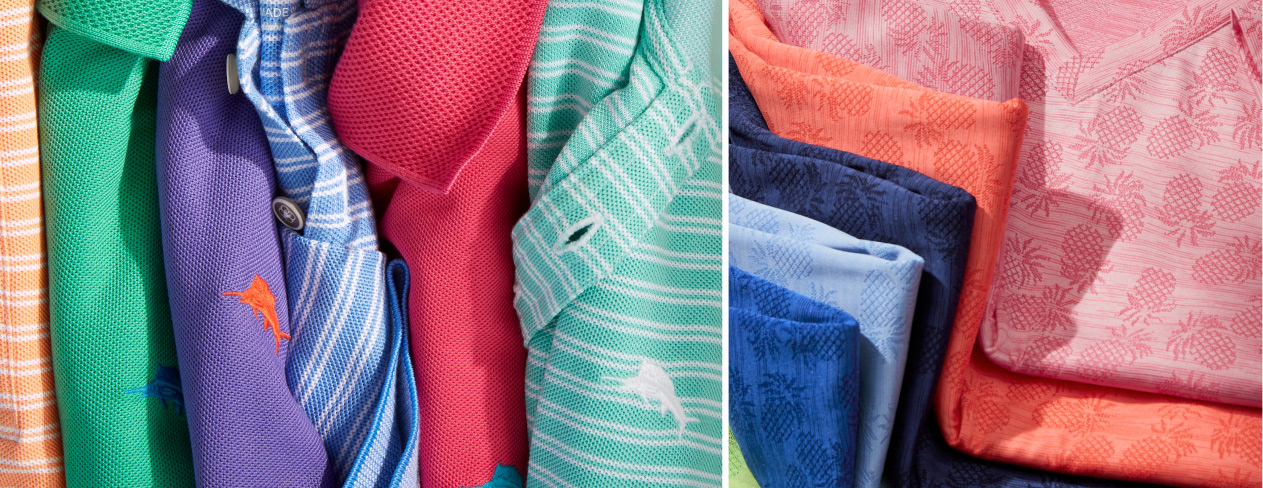
Our journey begins with our design and development teams, who craft collections using practices that protect the world we cherish. We hold ourselves to the highest standards in the materials we use, but recognize we are just getting started and will continue looking for more ways to advance sustainability in our sourcing and production.

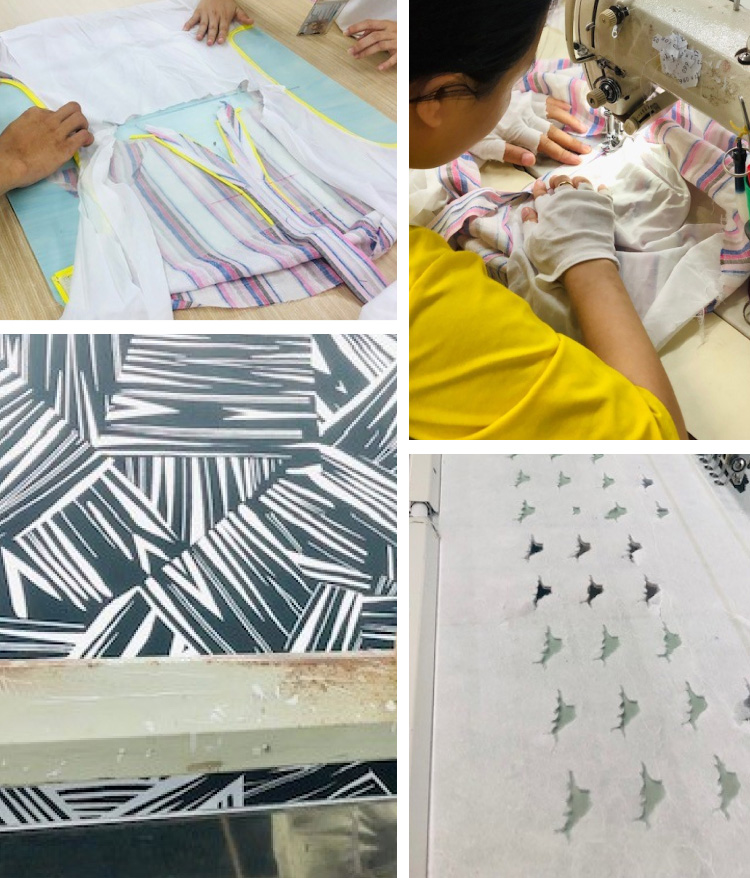
It's simple: We only work with garment factories that share our core values of respect and equality in the treatment of their employees and a willingness to continuously improve their social and environmental impacts.
Responsible Sourcing
Every one of our garment factories is required to comply with laws and regulations for working standards within their local jurisdiction and international standards. We evaluate our direct suppliers against our Code of Conduct which incorporates the International Labour Organization's core conventions and Fair Labor Association standards. All new factories undergo a risk assessment process, which includes third-party risk screening and a third-party social assessment to ensure they meet our standards, before they are authorized to manufacture our products. Through periodic risk screening, factory auditing, and issue remediation, we take the care and responsibility to make sure our products are made under safe, humane, and ethical working conditions.
As a member of the Sustainable Apparel Coalition (SAC), we are committed to implementing Higg tools including the Facility Environmental Module (FEM). The FEM helps us measure our suppliers' environmental performance across seven key areas: environmental management systems, energy and greenhouse gas emissions, water use, wastewater, air emissions, waste, and chemical management. We first rolled out the FEM to Tier 1 apparel suppliers in 2018. Tier 1 suppliers and Tier 2 fabric mills represent approximately 98% and 56% of our volume, respectively. We are continuing work to maintain engagement among Tier 1 suppliers and improve it with our Tier 2 suppliers.
To hold ourselves accountable to environmental and social standards, we also complete the Higg Brand and Retail Module (BRM). This is an assessment tool that allows us to measure and improve our own social and environmental performance across our business.
Looking Ahead
Raw materials are not only a critical part of our designs—they're also key to reducing our environmental and social impacts. That's why we've set goals to use more fibers with a smaller footprint across our biggest categories.
- Source 100% of cotton from preferred sources by 2030
- Source 75% of polyester from recycled sources by 2025
- Source 100% of manmade cellulosic fibers from preferred sources by 2025
We look forward to reporting more details about our preferred fiber strategy, including our progress toward these goals, in the near future.
We've replaced our shirts' plastic collar bands and stays and all hangtags with 100% FSC-certified material.
We've removed metal clips from our packaging, saving 2.7 million clips from going to waste.
Our woven labels are made from 100% recycled polyester.
We've removed tissue from our packaging wherever possible, saving 7.4 million pieces of tissue every year.
Our polybags are made from 100% post-consumer recycled plastic.
SUSTAINABILITY
Advancing Products
Our journey begins with our design and development teams, who craft collections using practices that protect the world we cherish. We hold ourselves to the highest standards in the materials we use, but recognize we are just getting started and will continue looking for more ways to advance sustainability in our sourcing and production.
It's simple: We only work with garment factories that share our core values of respect and equality in the treatment of their employees and a willingness to continuously improve their social and environmental impacts.
Responsible Sourcing
Every one of our garment factories is required to comply with laws and regulations for working standards within their local jurisdiction and international standards. We evaluate our direct suppliers against our Code of Conduct which incorporates the International Labour Organization's core conventions and Fair Labor Association standards. All new factories undergo a risk assessment process, which includes third-party risk screening and a third-party social assessment to ensure they meet our standards, before they are authorized to manufacture our products. Through periodic risk screening, factory auditing, and issue remediation, we take the care and responsibility to make sure our products are made under safe, humane, and ethical working conditions.
As a member of the Sustainable Apparel Coalition (SAC), we are committed to implementing Higg tools including the Facility Environmental Module (FEM). The FEM helps us measure our suppliers' environmental performance across seven key areas: environmental management systems, energy and greenhouse gas emissions, water use, wastewater, air emissions, waste, and chemical management. We first rolled out the FEM to Tier 1 apparel suppliers in 2018. Tier 1 suppliers and Tier 2 fabric mills represent approximately 98% and 56% of our volume, respectively. We are continuing work to maintain engagement among Tier 1 suppliers and improve it with our Tier 2 suppliers.
To hold ourselves accountable to environmental and social standards, we also complete the Higg Brand and Retail Module (BRM). This is an assessment tool that allows us to measure and improve our own social and environmental performance across our business.
Looking Ahead
Raw materials are not only a critical part of our designs—they're also key to reducing our environmental and social impacts. That's why we've set goals to use more fibers with a smaller footprint across our biggest categories.
- Source 100% of cotton from preferred sources by 2030
- Source 75% of polyester from recycled sources by 2025
- Source 100% of manmade cellulosic fibers from preferred sources by 2025
We look forward to reporting more details about our preferred fiber strategy, including our progress toward these goals, in the near future.
We've replaced our shirts' plastic collar bands and stays and all hangtags with 100% FSC-certified material.
We've removed metal clips from our packaging, saving 2.7 million clips from going to waste.
Our woven labels are made from 100% recycled polyester.
We've removed tissue from our packaging wherever possible, saving 7.4 million pieces of tissue every year.
Our polybags are made from 100% post-consumer recycled plastic.

SUSTAINABILITY
Advancing Products
Our journey begins with our design and development teams, who craft collections using practices that protect the world we cherish. We hold ourselves to the highest standards in the materials we use, but recognize we are just getting started and will continue looking for more ways to advance sustainability in our sourcing and production.
It's simple: We only work with garment factories that share our core values of respect and equality in the treatment of their employees and a willingness to continuously improve their social and environmental impacts.
Responsible Sourcing
Every one of our garment factories is required to comply with laws and regulations for working standards within their local jurisdiction and international standards. We evaluate our direct suppliers against our Code of Conduct which incorporates the International Labour Organization's core conventions and Fair Labor Association standards. All new factories undergo a risk assessment process, which includes third-party risk screening and a third-party social assessment to ensure they meet our standards, before they are authorized to manufacture our products. Through periodic risk screening, factory auditing, and issue remediation, we take the care and responsibility to make sure our products are made under safe, humane, and ethical working conditions.
As a member of the Sustainable Apparel Coalition (SAC), we are committed to implementing Higg tools including the Facility Environmental Module (FEM). The FEM helps us measure our suppliers' environmental performance across seven key areas: environmental management systems, energy and greenhouse gas emissions, water use, wastewater, air emissions, waste, and chemical management. We first rolled out the FEM to Tier 1 apparel suppliers in 2018. Tier 1 suppliers and Tier 2 fabric mills represent approximately 98% and 56% of our volume, respectively. We are continuing work to maintain engagement among Tier 1 suppliers and improve it with our Tier 2 suppliers.
To hold ourselves accountable to environmental and social standards, we also complete the Higg Brand and Retail Module (BRM). This is an assessment tool that allows us to measure and improve our own social and environmental performance across our business.
Looking Ahead
Raw materials are not only a critical part of our designs—they're also key to reducing our environmental and social impacts. That's why we've set goals to use more fibers with a smaller footprint across our biggest categories.
- Source 100% of cotton from preferred sources by 2030
- Source 75% of polyester from recycled sources by 2025
- Source 100% of manmade cellulosic fibers from preferred sources by 2025
We look forward to reporting more details about our preferred fiber strategy, including our progress toward these goals, in the near future.
We've replaced our shirts' plastic collar bands and stays and all hangtags with 100% FSC-certified material.
We've removed metal clips from our packaging, saving 2.7 million clips from going to waste.
Our woven labels are made from 100% recycled polyester.
We've removed tissue from our packaging wherever possible, saving 7.4 million pieces of tissue every year.
Our polybags are made from 100% post-consumer recycled plastic.